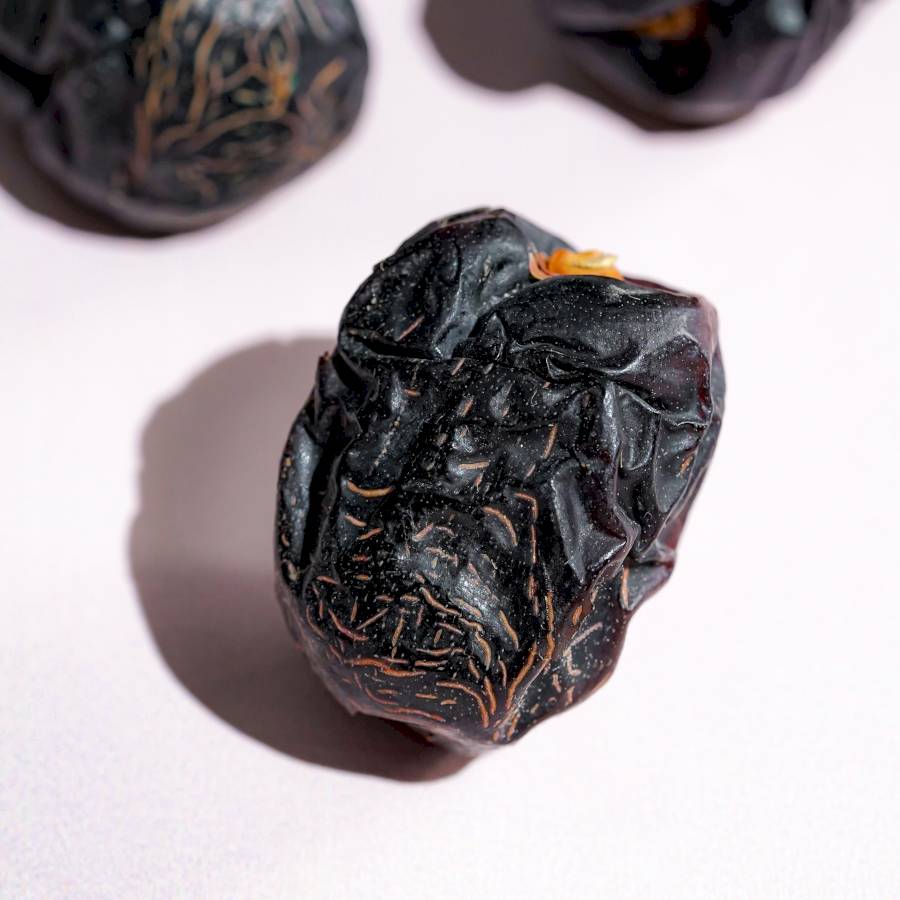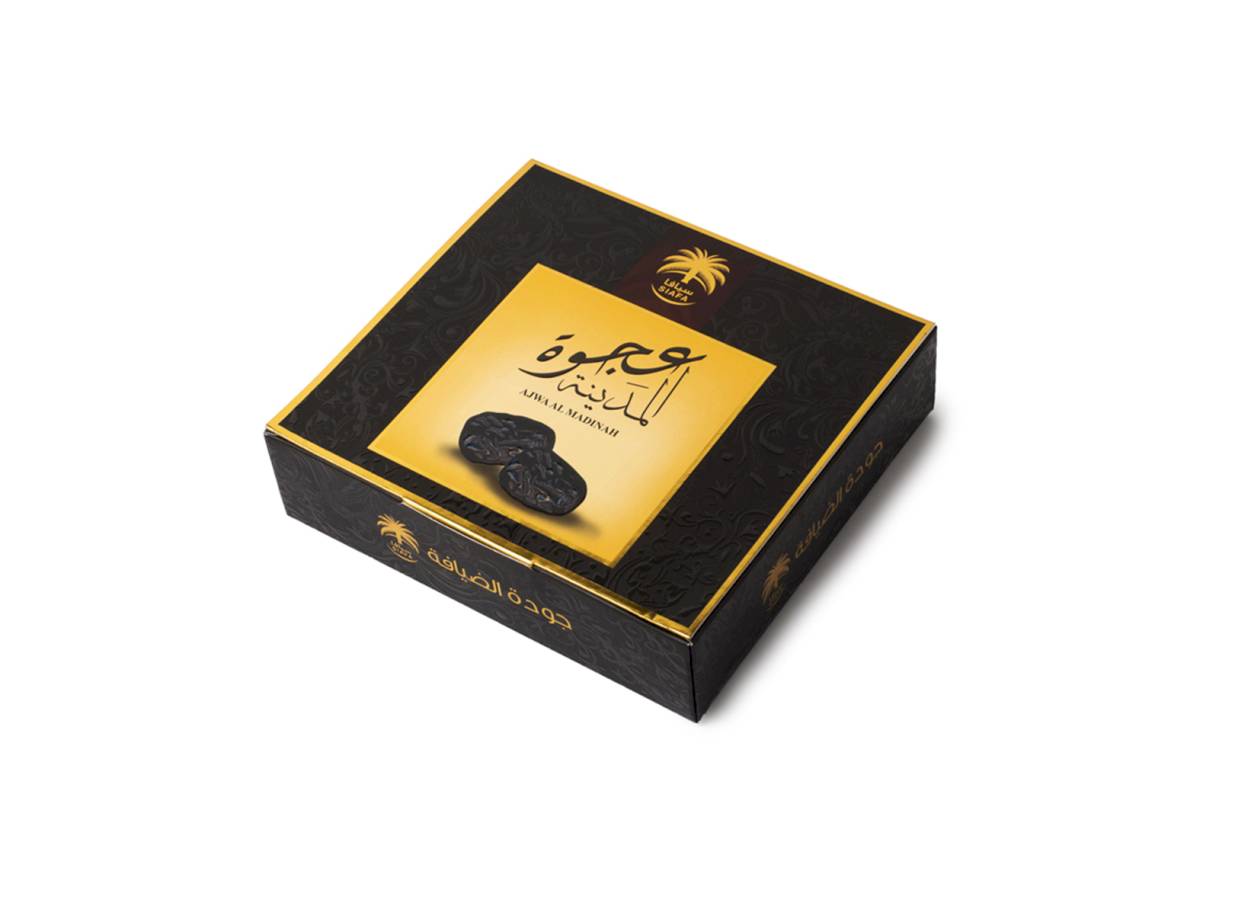



Ajwa dates are a variety grown almost exclusively in and around Medina, Saudi Arabia, prized for their dark, almost black skin, dense chewy texture, and a distinct raisin-like flavor that's less syrupy than a Medjool. Beyond the taste and the religious significance many Muslim families associate with them, Ajwa dates carry the same core nutrition profile as other dates, fiber, potassium, iron and antioxidants, with a few characteristics that set them apart.
If you've bought a box of Ajwa dates and are wondering what you're actually getting beyond the story, here's the honest breakdown.
Ajwa dates contain the same base nutrients as other dried dates, around 270-280 calories, 6-7g of fiber, and meaningful potassium and magnesium per 100g, but their darker pigmentation is linked to a higher concentration of polyphenol antioxidants, similar to how dark grapes carry more antioxidants than green ones.
That darker color comes from the same family of plant compounds found in blueberries and dark chocolate, though at different concentrations. Research on date antioxidant content is still growing, and it's fair to say Ajwa dates are a good source rather than a miracle food, the fiber and mineral content do most of the everyday nutritional work.
They're also generally firmer and less watery than Medjool dates, which some people find easier to portion-control since they're less immediately reachable for a second, third, and fourth handful.
Yes, largely because of fiber. A 100g serving delivers close to 7g of dietary fiber, which supports regular bowel movement and feeds beneficial gut bacteria. This is the same mechanism behind why dates have been used traditionally for mild constipation relief across South Asian and Middle Eastern households for generations.
It's worth being direct here: eating Ajwa dates isn't a treatment for a digestive condition, and if you're dealing with a persistent issue, that's a conversation for a doctor, not a dates box. What they do offer is a genuinely useful daily fiber source that's easier to enjoy than a fiber supplement.
Dates, including Ajwa, contain iron, roughly 0.9mg per 100g, alongside natural sugars that the body converts to usable energy quickly. This combination is part of why dates are a common recommendation for a natural energy top-up, particularly around physical activity or during fasting periods like Ramadan.
The iron content alone isn't high enough to treat diagnosed anemia on its own, but as part of a varied diet that includes other iron sources, it contributes. Pairing dates with a source of vitamin C, citrus fruit, for instance, helps the body absorb non-heme iron more efficiently.
For anyone specifically managing low iron, dates are a reasonable dietary addition, not a substitute for medical treatment or supplementation a doctor has prescribed.
The potassium and magnesium in Ajwa dates support normal blood pressure regulation and muscle function, both of which play a role in cardiovascular health. Diets higher in potassium-rich whole foods are consistently associated with better heart health outcomes in population-level nutrition research.
Ajwa dates are also low in saturated fat and contain no cholesterol, which matters when they're used as a replacement for less heart-friendly sweet snacks rather than eaten on top of an already high-sugar diet. Context matters more than the date itself here, what you're swapping them for is often the real variable.
Ajwa dates are grown in a limited geographic area around Medina, which naturally restricts supply compared to varieties like Deglet Noor or Khudri that are cultivated more widely across the Middle East and North Africa. That scarcity, combined with the religious and cultural significance many Muslim consumers attach to them, keeps demand, and price, consistently higher.
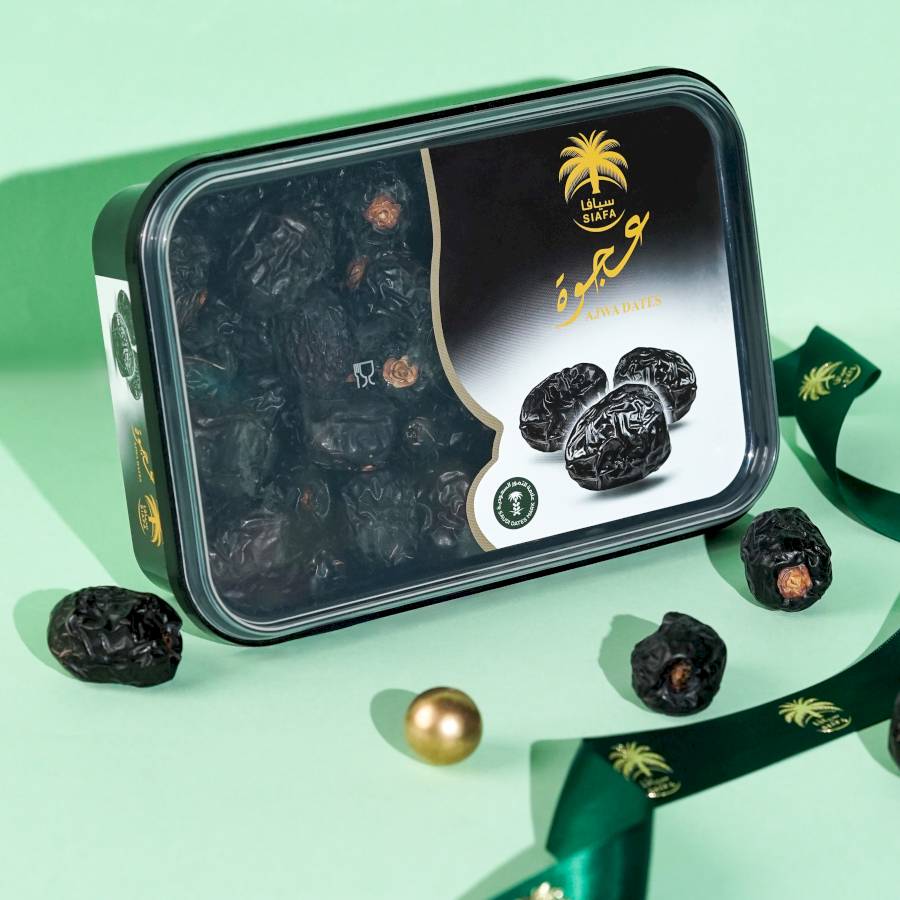
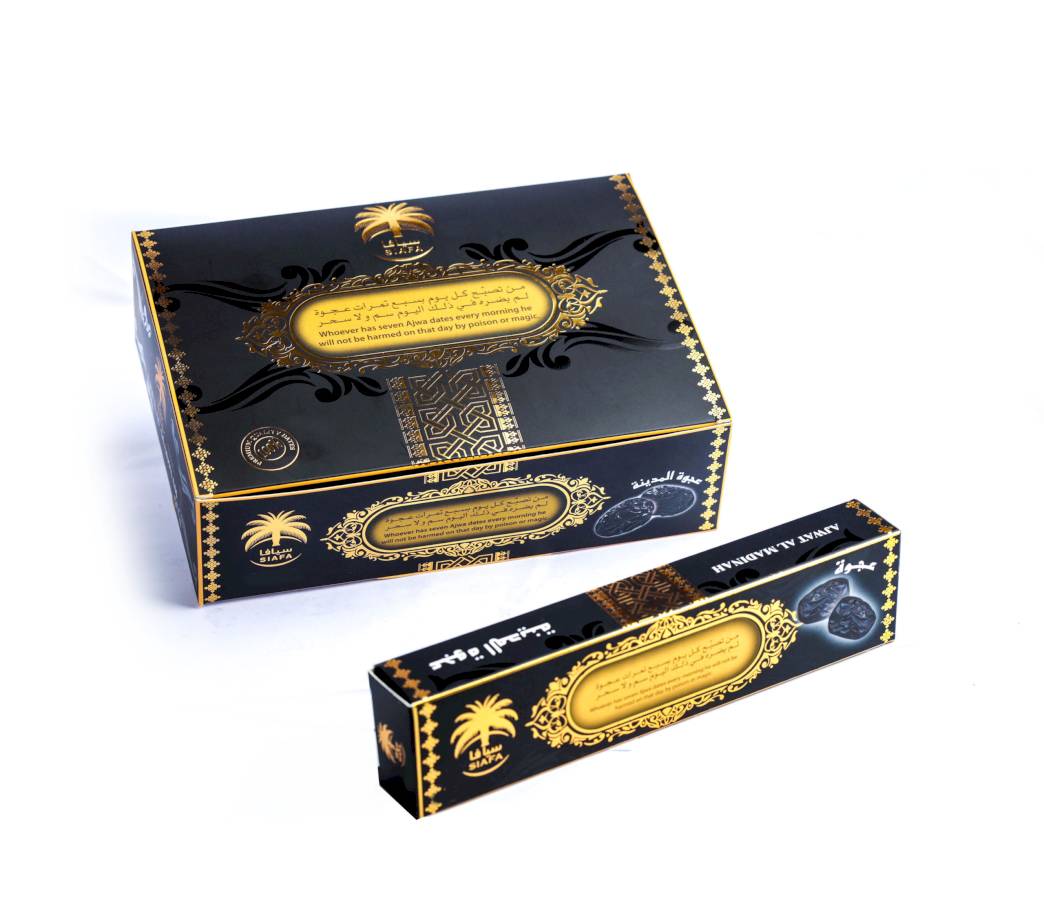
Quality also varies noticeably within the Ajwa category itself. Our Ajwa Al Madinah and Ajwa Premium lines are sourced and graded specifically for size, moisture content and skin condition, which is why premium Ajwa doesn't look or taste like the loose, inconsistent stock you'll sometimes find at a general grocery store.
If you're buying in bulk for daily eating rather than gifting, our Ajwa Jumbo Loose pack is a more practical, better-value option without a compromise on the sourcing.
The nutrition differences between date varieties are small, the real differences that matter for picking one are texture, sweetness and what you're using them for.
| Ajwa | Medjool | Mabroom | Khudri | |
| Origin | Medina, Saudi Arabia | Morocco/Middle East | Saudi Arabia | Saudi Arabia |
| Texture | Firm, dense | Soft, caramel-like | Firm, semi-dry | Soft-firm |
| Sweetness | Moderate | Very high | Mild-moderate | Moderate |
| Typical Size | Small-medium | Large | Medium-long | Medium |
| Best For | Daily eating, religious/gifting significance | Dessert-style eating, richest flavor | Everyday eating, less sticky | Everyday eating, good value |
If you want something closer to a dessert, Medjool is the softer, sweeter choice. If you're eating dates daily and want something less sticky and more portion-controlled, Ajwa, Mabroom or Khudri are the better everyday picks.
Most nutrition guidance settles on 3-7 dates a day as a reasonable range for a healthy adult, depending on overall diet and activity level. Given how calorie-dense dates are, this isn't a "the more the better" food, it's meant to complement a diet, not anchor it.
If you're new to eating dates regularly, starting with 2-3 a day and noticing how your body responds is a sensible approach, particularly if you're also managing blood sugar or watching calorie intake closely.
For a full breakdown of what's actually in a date nutritionally, our guide on dates nutrition facts covers the calorie, vitamin and mineral numbers in detail.
Ajwa dates deliver the same core nutrition as other premium dates, fiber, potassium, iron, and a solid natural energy source, with a distinct flavor and cultural weight that explains their price. They're a genuinely good daily snack in moderation, not a cure-all, and the quality difference between a well-sourced pack and a loose, inconsistent one is real.
Browse our full Ajwa dates collection or explore our complete luxury gift boxes if you're buying Ajwa dates to gift rather than to keep.
Ajwa dates aren't nutritionally superior across the board they carry a similar fiber and mineral profile to other varieties, with a somewhat higher antioxidant content linked to their dark skin. The bigger differences are in taste, texture, scarcity, and cultural significance.
Diabetics can eat dates in careful, controlled portions since dates are high in natural sugar. It's best discussed with a doctor or dietitian who knows your specific blood sugar management plan rather than following a general rule.
Ajwa dates are grown in a limited region around Medina, which restricts supply, and demand stays consistently high due to their religious and cultural significance. Grading for quality size, moisture, skin condition adds further cost at the premium end.
Store Ajwa dates in an airtight container in a cool, dry place, away from direct sunlight. Refrigeration extends shelf life significantly if you're buying in bulk and don't expect to finish the pack within a few weeks.