


Khajur khane ke fayde, in short: dates are dense in natural sugars, fibre, potassium, and iron, which is why they've been a staple energy food across the Middle East and South Asia for centuries. That's a real, checkable fact, not a marketing line, but it's worth saying plainly that dates are a good everyday food, not a cure for anything. This guide covers what dates actually do nutritionally, how much to eat, what a kilogram costs, and which variety to pick.
Dates carry a genuinely useful nutrient profile: fibre, potassium, magnesium, vitamin B6, and iron, along with antioxidant compounds like flavonoids and carotenoids. That shows up in a few practical ways. The natural sugars (glucose, fructose, and sucrose) give a real, quick energy lift, part of why dates are the traditional food used to break a fast. The fibre content supports regular digestion more reliably than most fruit. Potassium and a naturally low sodium content are why dates get mentioned alongside heart health, though that means supporting normal cardiovascular function as part of a balanced diet, not preventing heart disease on their own. The antioxidants play a similar supporting role for general immune function. The brain health angle is the least settled of the group, most of the research behind it so far comes from animal studies rather than large human trials, so we'd call that one promising rather than proven. For the full nutrient breakdown per 100g, see our Dates Nutrition Facts guide.
For most healthy adults, 2 to 3 dates a day (roughly 50 to 75g) is a reasonable amount, providing around 130 to 200 calories along with meaningful iron and potassium. That's a general guideline, not a prescription. The main reasons to eat less: dates are calorie-dense, so a large handful adds up quickly if you're watching your weight, and they're high in natural sugar, so anyone managing blood sugar closely should stick to small portions rather than snacking freely. A known allergy to dates or related fruits is the one clear reason to skip them altogether.
There's no single answer, since price depends heavily on variety. Here's what a kilogram works out to across our current range, low to high.
| Variety | Pack size | Price | Approx. price per kg |
|---|---|---|---|
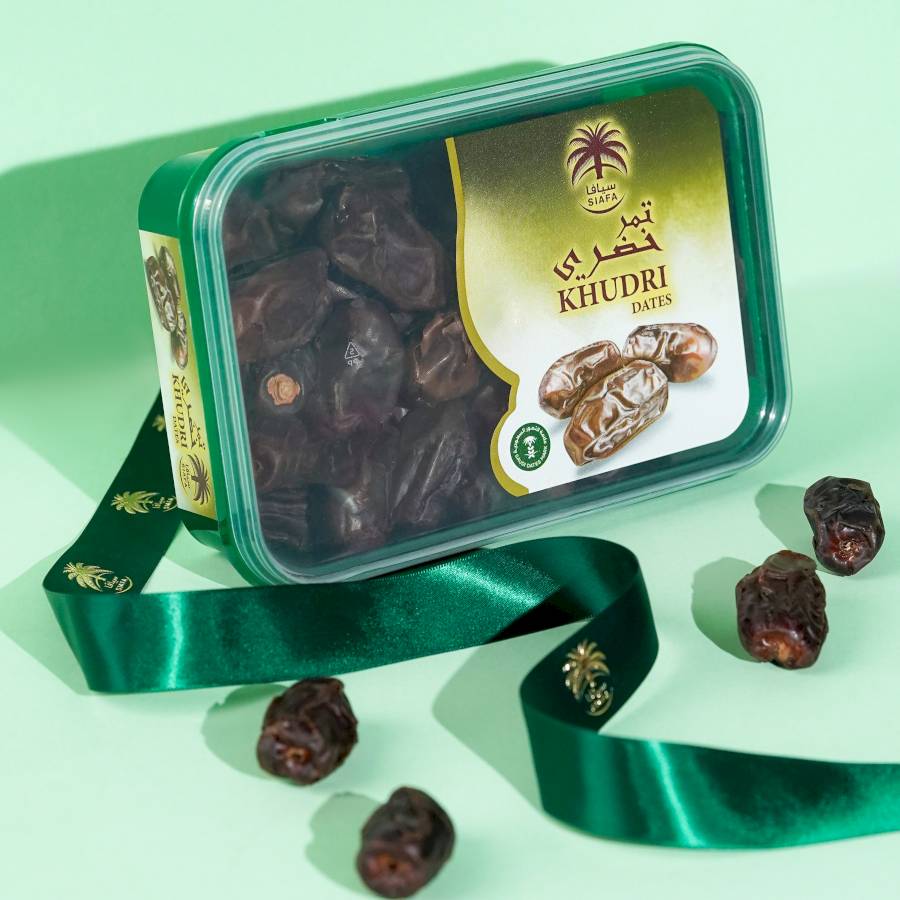
| Khudri Dates | 400g | ₹499 | ₹1,248 |
| Mabroom Dates Loose | 500g | ₹699 | ₹1,398 |
| Amber Dates | 1000g | ₹1,800 | ₹1,800 |
| Mabroom Dates | 400g | ₹799 | ₹1,998 |
| Mabroom Premium Loose | 500g | ₹1,099 | ₹2,198 |
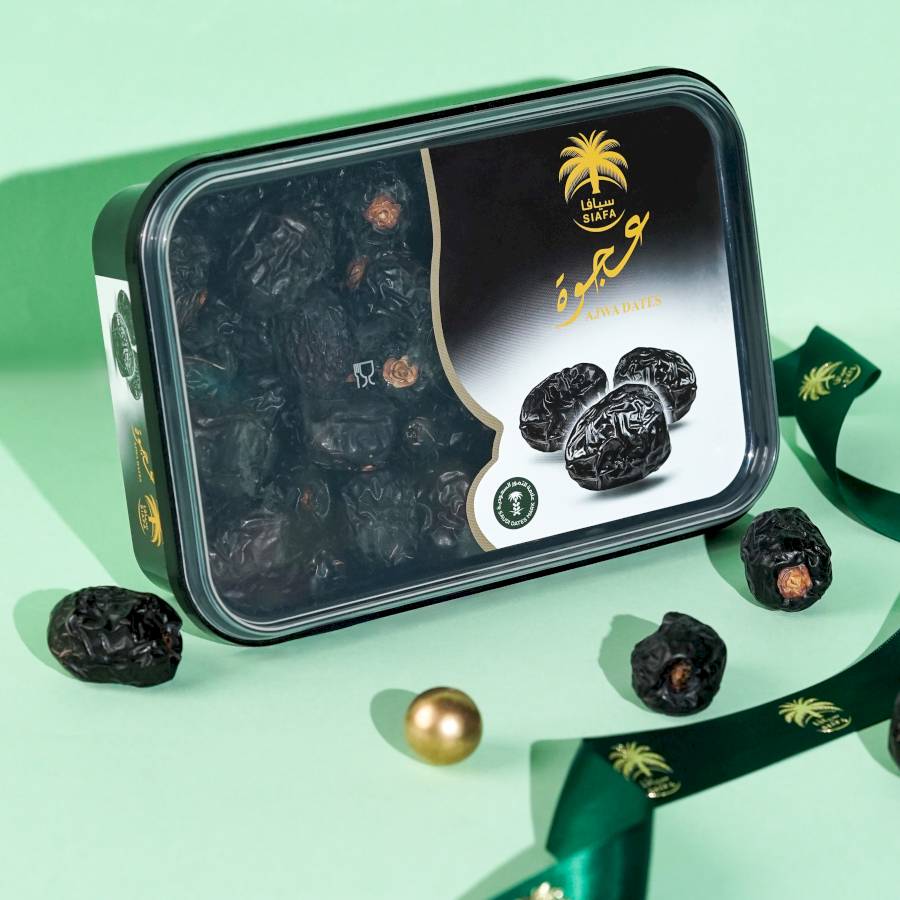
| Ajwa Dates | 400g | ₹999 | ₹2,498 |
| Ajwa Premium | 500g | ₹1,249 | ₹2,498 |
| Medjool Dates | 500g | ₹1,400 | ₹2,800 |
| Ajwa Al Madinah | 200g | ₹599 | ₹2,995 |
| Ajwa Al Madinah | 330g | ₹999 | ₹3,027 |
| Medjool Dates Jumbo | 500g | ₹2,000 | ₹4,000 |
| Ajwa Jumbo Loose | 500g | ₹2,999 | ₹5,998 |
If you're just looking for an everyday, affordable option, Khudri is our most accessible variety at roughly ₹1,248/kg. We're a premium import brand, not a discount one, so if price per kilo is your main concern, a local market khajoor vendor will usually beat us on price, we just wouldn't be able to match their supply chain or quality control at that price point.
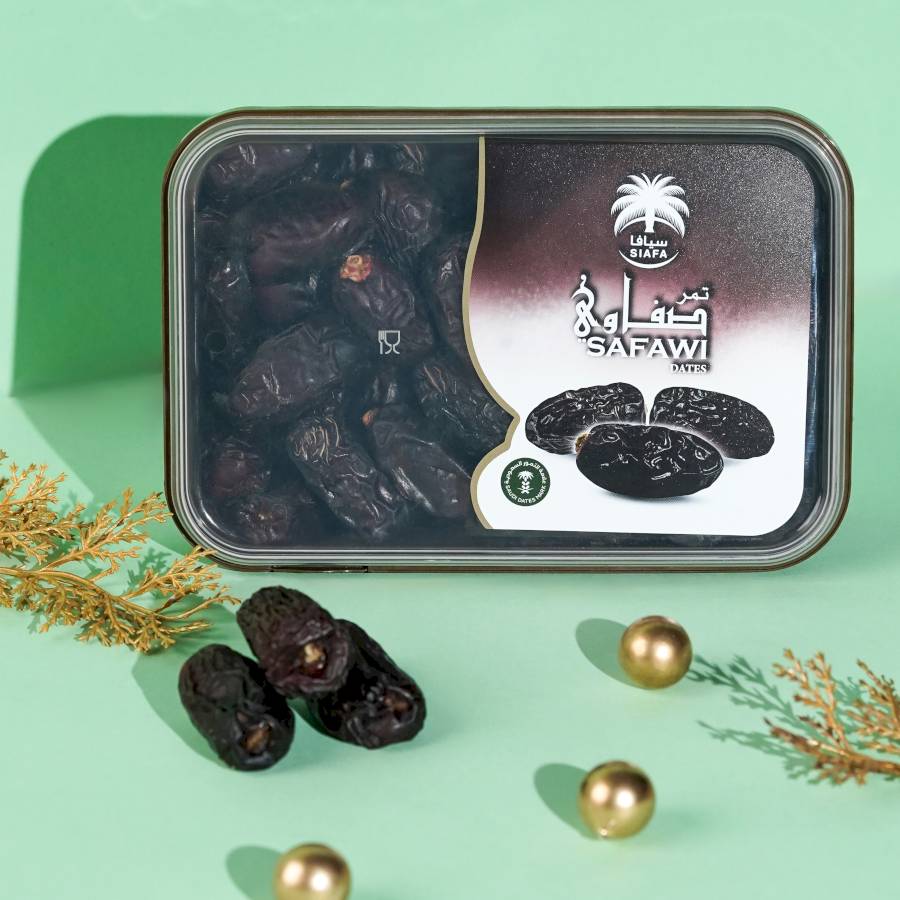
There isn't one best variety, it depends what you're using it for. Ajwa suits religious or gifting significance and has a prune-like taste, Medjool suits people who want size and caramel sweetness, and Khudri or Mabroom suit everyday eating on a budget. We've written a full comparison of Ajwa, Medjool, Mabroom, Khudri, and Amber dates if you want the detail.
Piece count per kilogram follows the same logic: a Khudri kilogram packs noticeably more pieces than a Medjool or Ajwa Jumbo kilogram, where individual dates can weigh two to three times as much. If exact count matters for portioning or gifting, it's worth checking the specific product page or asking us directly before ordering in bulk.
For a deeper look at Ajwa specifically, see our Health Benefits of Ajwa Dates post.
Browse our full Dates range to compare varieties and prices directly.
Zyadatar healthy adults ke liye din mein 2-3 khajur (lagbhag 50-75g) ek reasonable amount maana jaata hai. Yeh ek general guideline hai, koi strict rule nahi. Agar aapko koi health condition hai, toh sahi quantity ke liye doctor se salah lena better hoga.
Zyadatar healthy pregnancies mein, third trimester ke dauran din mein 2-3 khajur khana safe maana jaata hai, aur yeh iron ka bhi accha source hai. Lekin har pregnancy alag hoti hai, isliye ise daily habit banane se pehle apne gynaecologist se zaroor poochhein.
Khajur mein natural sugar, iron aur potassium hota hai, jo energy badhane mein madad karta hai, isliye ise taakat se jod diya jaata hai. Lekin mardana taakat ko lekar koi solid scientific evidence nahi hai. Agar aap general energy ke liye khajur kha rahe hain toh theek hai, par kisi specific health concern ke liye doctor se salah lena better hai.
Khajur meetha hone ke bawajood iska glycemic index low se moderate hota hai, kyunki isme maujood fibre sugar ke absorption ko slow karta hai. Phir bhi sugar patients ko ek baar mein 1-2 khajur tak hi limit rehna chahiye, aur apni medication ya diet plan ke hisaab se doctor se salah leni chahiye.
Agar aap weight ko lekar careful hain toh zyada matra mein khajur khane se bachein, kyunki yeh calorie mein heavy hota hai. Blood sugar ko lekar careful logon ko bhi limited quantity mein hi khana chahiye. Aur agar aapko khajur ya isse related fruits se allergy hai, toh isse avoid karein.
Yeh variety par depend karta hai. Hamare yahan Khudri Dates lagbhag ₹1,248 per kg se start hota hai, jabki Ajwa Jumbo Loose jaisi premium variety ₹5,998 per kg tak jaati hai. Poori price list hamari website ke Dates section mein dekhi ja sakti hai.
Koi ek "sabse badhiya" khajur nahi hota, yeh use pe depend karta hai. Ajwa ko religious significance aur gifting ke liye pasand kiya jaata hai, Medjool ko iske bade size aur sweet taste ke liye, jabki daily consumption ke liye Khudri ya Mabroom ek budget-friendly option hai.
Honestly bataayein toh, Siafa Dates ek premium imported brand hai, sabse sasta option nahi. Agar aapka main focus sirf low price par hai, toh local market mein aapko kam rate mil sakta hai. Hamare yahan Khudri Dates hamari sabse affordable variety hai, lagbhag ₹1,248 per kg.
Yeh khajur ke size par depend karta hai. Khudri jaisi choti variety mein per kg zyada pieces hote hain, jabki Medjool ya Ajwa Jumbo jaisi badi variety mein kam pieces hote hain kyunki har khajur ka weight zyada hota hai. Exact count ke liye product page check karein ya humse directly contact karein.